Blood sugar support supplements are usually built from a handful of well-known botanicals and trace minerals — many of which have decades of traditional use and a growing body of modern research behind them. This guide rounds up the current science on the most commonly studied ingredients in this category, including several found in Sugar Defender's 24-ingredient liquid formula.
Rather than focusing on one single ingredient, this roundup looks across the category of blood sugar support botanicals and minerals to summarize what current research generally suggests about each one.
When you see the phrase "clinically studied" attached to a supplement ingredient, it helps to understand what that actually means. Most blood sugar support botanicals and minerals have been studied in one or more of three ways: laboratory (in-vitro) research on isolated compounds, animal studies that test whole extracts, and human clinical trials that measure real-world outcomes like fasting glucose, HOMA-IR (a marker of insulin resistance), or post-meal blood sugar response.
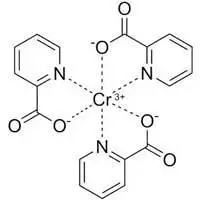
The strength of evidence varies significantly by ingredient. Some, like Chromium Picolinate, have been the subject of multiple randomized, double-blind, placebo-controlled human trials — though even here, results across studies have been mixed, with some showing meaningful improvements in insulin sensitivity and others showing little effect. Others, like Guarana or Maca Root, are supported more by traditional use and general energy-metabolism research than by blood-sugar-specific human trials.
This is a normal and expected part of nutritional science. Dietary supplement ingredients are not required to go through the same large-scale, multi-phase trials as pharmaceutical drugs, so it's important to view the research below as suggestive and supportive rather than proof of a guaranteed outcome. None of the ingredients discussed are a substitute for medical treatment, and this page is for general education only.
A closer look at the science and traditional use behind eight commonly studied blood sugar support ingredients.

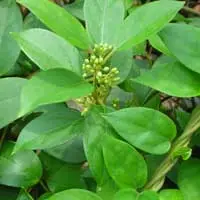
Studied for its gymnemic acid content, which is believed to block sweet-taste receptors and moderate intestinal glucose absorption. Small human trials have linked short-term use to reduced sugar cravings, while lab and network-pharmacology research continues to explore its effect on insulin pathways.

An essential trace mineral and cofactor of insulin. Multiple randomized controlled trials have examined its effect on insulin resistance (HOMA-IR) and glycemic control, with several studies reporting improved insulin sensitivity, particularly in people with existing blood sugar concerns, although results across the full body of research remain mixed.

A widely researched adaptogen studied for its potential role in carbohydrate metabolism, circulation, and general metabolic resilience. Ginsenosides, its active compounds, are a frequent subject of research into energy metabolism and healthy aging.

Classified as an adaptogen, Eleuthero has been studied for its potential role in supporting the body's response to physical and mental stress, which researchers often connect to steadier daily energy and metabolic resilience over time.

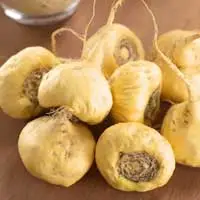
A nutrient-dense Peruvian root studied mainly for its traditional association with energy, stamina, and hormonal balance. Its research base is broader in the areas of general vitality than in blood-sugar-specific outcomes.

Studied in a handful of clinical trials for its relationship to appetite regulation, healthy weight management, and lipid metabolism, with researchers commonly linking it to broader metabolic wellness support.

A natural source of caffeine and plant compounds studied for supporting alertness and focus. Its research base centers on cognitive and energy outcomes rather than direct glucose metabolism.

Studied for its forskolin content, which researchers have examined in relation to fat metabolism, healthy body composition, and cellular signaling pathways connected to metabolic rate.
Chromium Picolinate is one of the more extensively studied minerals in the blood sugar support category, largely because chromium is recognized as an essential nutrient involved in normal carbohydrate and lipid metabolism. Researchers have identified at least nine clinical trials examining chromium picolinate's effects on blood glucose markers and insulin regulation in people with type 2 diabetes.
Some studies have reported meaningful improvements: one clinical trial found that six months of supplementation significantly improved insulin sensitivity and glycemic control, and separate mechanistic research has proposed that chromium picolinate may improve insulin action in skeletal muscle by increasing activation of a protein called Akt, which helps facilitate glucose uptake into cells.
At the same time, other well-designed trials have found no significant change in fasting blood glucose or insulin resistance markers, and a broader meta-analysis noted inconsistent results across the available research. The general scientific consensus is that chromium picolinate shows the most promise for people who already have elevated blood sugar or impaired glucose tolerance, with less consistent benefit observed in people with normal blood sugar levels. Researchers continue to call for larger, longer-duration studies to clarify who is most likely to benefit.
Sugar Defender was formulated using a blend of the ingredients discussed above — including Gymnema Sylvestre, Chromium Picolinate, Ginseng, Eleuthero, Maca Root, African Mango, Guarana, and Coleus Forskohlii — combined with other botanicals and minerals into a single liquid, sublingual delivery format. The formula is designed around the idea that these ingredients may complement each other across several angles of metabolic wellness: sugar cravings, glucose absorption, insulin-related pathways, energy, and appetite regulation.
To review the complete 24-ingredient list, visit the Sugar Defender ingredients section, or see current pricing and package options.
Explore more free educational guides on blood sugar wellness and the science behind these ingredients.
A plain-language look at how the body naturally manages glucose, insulin, and metabolic balance.
Read the Guide →Explore the traditional and modern research behind this key "sugar destroyer" herb.
Read the Guide →An in-depth look at the Sugar Defender formula, how it's made, and what it's designed to support.
Read More →Chromium Picolinate and Gymnema Sylvestre are among the most studied, with multiple human clinical trials examining their effects on glucose and insulin-related markers, though results vary across studies.
No. None of the ingredients discussed on this page are approved treatments or cures for diabetes or any disease. They are dietary supplement ingredients studied for general metabolic wellness support.
No. Dietary supplement ingredients are not required to undergo the same large-scale, multi-phase clinical trial process as pharmaceutical drugs, so the available research is often smaller in scale and more variable in quality.
Sugar Defender combines these researched botanicals and minerals into a single 24-ingredient liquid formula, taken as two droppers daily.
Sugar Defender combines Gymnema Sylvestre, Chromium Picolinate, Ginseng, and more into a single daily liquid formula — backed by a 60-day money-back guarantee.
Get Sugar Defender Now