Gymnema Sylvestre is one of the most studied botanicals in the natural blood sugar support category. Known in Ayurvedic tradition as "gurmar" — the sugar destroyer — this woody climbing vine has been used for more than 2,000 years to help support healthy glucose metabolism and curb the pull of sugar cravings. This guide walks through what the herb is, how its active compounds are thought to work, and what modern research says about it.
A fast snapshot before we go deeper into the traditional use, active compounds, and clinical research behind this well-known botanical.
Gymnema Sylvestre is a woody, climbing shrub native to the tropical forests of central and southern India, as well as parts of Africa and Australia. Its leaves have been chewed and brewed into teas for centuries within Ayurvedic medicine, one of the world's oldest holistic healing systems, where practitioners named the plant "gurmar" — a Hindi word that translates roughly to "destroyer of sugar." This nickname comes from a very real, observable effect: chewing a fresh Gymnema leaf can temporarily block the ability of the tongue's taste buds to detect sweetness, making sugar itself taste flat and unappealing for a short period afterward.
Beyond its taste-blocking reputation, Gymnema Sylvestre has a long-standing traditional association with healthy blood sugar levels, healthy digestion, and general metabolic wellness. Traditional Ayurvedic texts describe its use for supporting the body's natural response to sugar intake, and it has been passed down through generations of herbal practitioners as a plant that plays a role in maintaining balanced energy and metabolic comfort after meals.
In modern nutritional science, Gymnema Sylvestre is most commonly available as a standardized leaf extract, capsule, powder, or as one ingredient within a larger blend — such as within Sugar Defender's liquid formula, where it is combined with other botanicals and minerals like Chromium and Ginseng. Researchers have taken a strong interest in isolating and studying the plant's active compounds to better understand the biological mechanisms behind its centuries-old reputation.
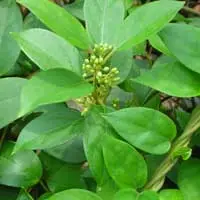
The plant's benefits are generally traced back to a family of naturally occurring compounds called gymnemic acids, along with related molecules such as gurmarin and gymnemasaponins. Researchers have proposed several mechanisms by which these compounds may interact with the body.
Because gymnemic acids are structurally similar to glucose molecules, they can temporarily occupy the sweet-taste receptors on the tongue. This is believed to be the mechanism behind Gymnema's famous ability to dull the perception of sweetness, which some people find helpful for reducing the appeal of sugary snacks and drinks.
Research suggests that gymnemic acids may also occupy receptor sites along the lining of the small intestine, which some scientists believe can help moderate how much dietary glucose is absorbed into the bloodstream after a meal, potentially supporting more gradual post-meal blood sugar changes.
Several early and ongoing studies have explored whether Gymnema Sylvestre may support the pancreas's beta cells, which are responsible for producing insulin. Some researchers have hypothesized a role in supporting healthy insulin secretion, although this remains an active area of scientific investigation rather than a settled conclusion.
These proposed mechanisms come from a mix of laboratory research, animal studies, and a smaller number of human clinical trials. Gymnema Sylvestre is not an approved treatment for diabetes or any medical condition, and anyone managing a blood sugar condition should always work directly with a licensed healthcare provider.
Gymnema Sylvestre's reputation spans thousands of years of traditional use and a growing modern research interest. While it is not a cure or treatment for any disease, here is a closer look at the areas where the herb is most commonly discussed:
As with any botanical ingredient, individual responses vary, and the strength of scientific evidence differs across these areas — some benefits are backed by small human trials, while others are supported mainly by traditional use or early laboratory research. Gymnema Sylvestre should always be considered a complement to, not a replacement for, a balanced diet, regular physical activity, and medical guidance.
Gymnema Sylvestre continues to attract scientific attention. A few notable areas of recent and ongoing research include:
Recent computational research has mapped how bioactive compounds such as gymnemic acid I and stigmasterol may interact with biological pathways relevant to glucose metabolism, offering clues about the herb's mechanisms at a molecular level.
Human intervention studies have examined whether short-term Gymnema use can reduce the desire for high-sugar sweet foods, with some trials reporting a measurable reduction in cravings among participants.
Gymnema Sylvestre is frequently studied as a complementary botanical alongside conventional diabetes care, with researchers noting it is not a replacement for insulin or prescribed medication, but a subject of ongoing interest for supportive care.
Want a broader look at how other blood sugar support botanicals and minerals are being studied? Read our full Latest Research on Blood Sugar Support Ingredients guide.
Sugar Defender includes Gymnema Sylvestre as one of its 24 natural ingredients, alongside minerals like Chromium Picolinate and adaptogens such as Ginseng and Eleuthero. Rather than relying on Gymnema alone, the liquid formula is designed to combine several traditionally and scientifically supported ingredients so they can work together as part of a broader daily wellness routine.
To see the full ingredient list and how each botanical fits into the formula, visit the Sugar Defender ingredients section, or explore current pricing packages.
Explore more free educational guides on blood sugar wellness and the ingredients found in supplements like Sugar Defender.
A plain-language look at how the body naturally manages glucose, insulin, and metabolic balance.
Read the Guide →A roundup of current research on the botanicals and minerals commonly found in blood sugar supplements.
Read the Guide →An in-depth look at the Sugar Defender formula, how it's made, and what it's designed to support.
Read More →Gurmar is the traditional Hindi name for Gymnema Sylvestre and translates to "sugar destroyer," referring to the leaf's ability to temporarily block the perception of sweetness on the tongue.
Gymnema Sylvestre has a long history of traditional use, but it may interact with certain medications, including those that already affect blood sugar. Anyone pregnant, nursing, taking medication, or managing a health condition should speak with a doctor before use.
No. Gymnema Sylvestre is a dietary supplement ingredient, not a medication, and it is not intended to diagnose, treat, cure, or prevent diabetes or any disease. Never stop or adjust a prescribed medication without consulting your doctor.
Sugar Defender includes Gymnema Sylvestre as part of its 24-ingredient liquid formula, combined with minerals and adaptogenic herbs, taken as two droppers daily.
Explore the full 24-ingredient formula, including Gymnema Sylvestre, Chromium Picolinate, and Ginseng — backed by a 60-day money-back guarantee.
Get Sugar Defender Now